
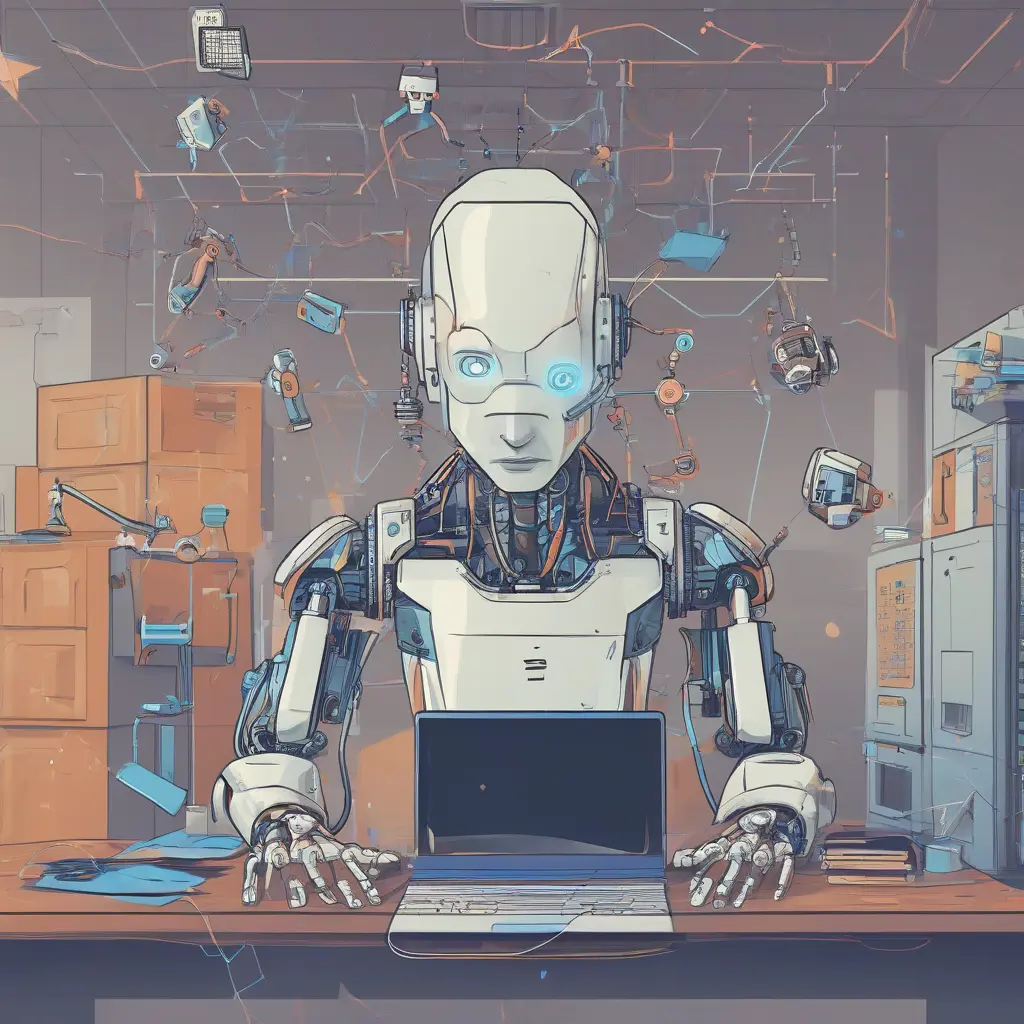
The rise of artificial intelligence (AI) is reshaping numerous sectors, significantly impacting traditional job roles. As employers increasingly adopt AI technologies to enhance efficiency and productivity, various occupations are evolving or becoming obsolete. This transformation prompts both workers and organizations to adapt to new realities. Understanding these changes is crucial for employees who wish to remain relevant in the workforce. Additionally, this adaptation requires commitment to continuous learning and skills development to navigate the challenges and opportunities presented by AI.
Understanding AI and Its Capabilities
Artificial intelligence refers to machines designed to mimic human behavior and cognitive functions. This encompasses natural language processing, data analytics, and machine learning, which allow systems to analyze vast amounts of data, recognize patterns, and make informed decisions. By deploying AI solutions, organizations can automate routine tasks, optimize workflows, and improve decision-making processes. Understanding AI’s capabilities helps individuals recognize its potential impact on their specific job roles within various industries.
Job Roles Most Affected by AI
Certain job roles are more susceptible to AI displacement, particularly those involving repetitive tasks and minimal decision-making. Professions such as data entry clerks, telemarketers, and assembly line workers face heightened risk due to automation. Industry reports suggest that positions requiring standard operating procedures may diminish as AI systems become more adept at performing these roles. Understanding which job functions are at risk enables workers to anticipate changes and identify alternative career pathways.
New Opportunities Created by AI
While AI may displace some jobs, it simultaneously creates new opportunities across various sectors. Emerging roles include AI specialists, data scientists, and machine learning engineers, all of which require a robust understanding of technology and analytics. Moreover, traditional roles such as human resources and project management are evolving to incorporate AI tools for better efficiency. By focusing on acquiring skills related to these new roles, workers can position themselves advantageously in the labor market.
The Need for Continuous Learning and Adaptation
In an era of rapid technological advancement, continuous learning is essential for workers looking to thrive. Upskilling and reskilling initiatives are vital for adapting to the AI-driven job landscape. Online courses, certifications, and professional development programs provide avenues for learning new skills and staying relevant. Embracing a mindset of lifelong learning not only enhances employability but also fosters a proactive approach to career development, enabling individuals to better navigate changes triggered by AI.
AI in Different Industries
Various industries experience unique impacts due to AI integration. In healthcare, AI assists with diagnosis and patient management, enhancing clinical decision-making. In finance, algorithms streamline fraud detection and risk assessment processes. Similarly, manufacturing leverages AI for predictive maintenance and quality control. Each sector adapts its operations to capitalize on AI’s strengths, demonstrating the technology’s versatile applications. By examining these industry-specific uses, workers can better understand AI’s regional job market effects.
The Role of Soft Skills in an AI-Dominated World
Despite the focus on technical skills, soft skills will remain vital in the AI era. Skills such as emotional intelligence, creativity, and problem-solving are irreplaceable by machines and will differentiate human employees from automated systems. As routine tasks become automated, workers with strong interpersonal and critical-thinking abilities will be well-positioned to excel in roles that require human interaction and strategic insight. Emphasizing the importance of soft skills can help future-proof careers against ongoing technological shifts.
Governments and Policy Makers: Addressing the Challenges
Governments and policymakers must engage with the workforce’s changing landscape to mitigate disruptions caused by AI. Implementing policies that promote upskilling, retraining, and vocational education will help workers transition into new roles efficiently. Additionally, promoting dialogue between educational institutions and industry stakeholders can align training programs with market demands. By taking proactive steps, policy makers can ensure economic stability and empower workers to adapt effectively in an AI-centric world.
The Importance of Ethical AI Development
As AI technology evolves, addressing ethical considerations in its deployment is paramount. Issues such as bias in algorithmic decision-making and job displacement must be scrutinized to foster responsible AI practices. Companies and organizations should establish frameworks for ethical AI development that prioritize transparency and accountability. By cultivating an ethical approach, stakeholders can minimize negative societal impacts and ensure that AI benefits both businesses and workers alike, creating an equitable future.
Conclusion
The impact of AI on traditional job roles is profound, demanding adaptability and foresight from workers and organizations alike. As certain roles decline, new opportunities emerge, emphasizing the importance of skill development and ethical considerations. By fostering a culture of continuous learning and addressing ethical implications, individuals and societies can navigate the complexities of an AI-enhanced future, ensuring a balanced coexistence between technology and the workforce.