
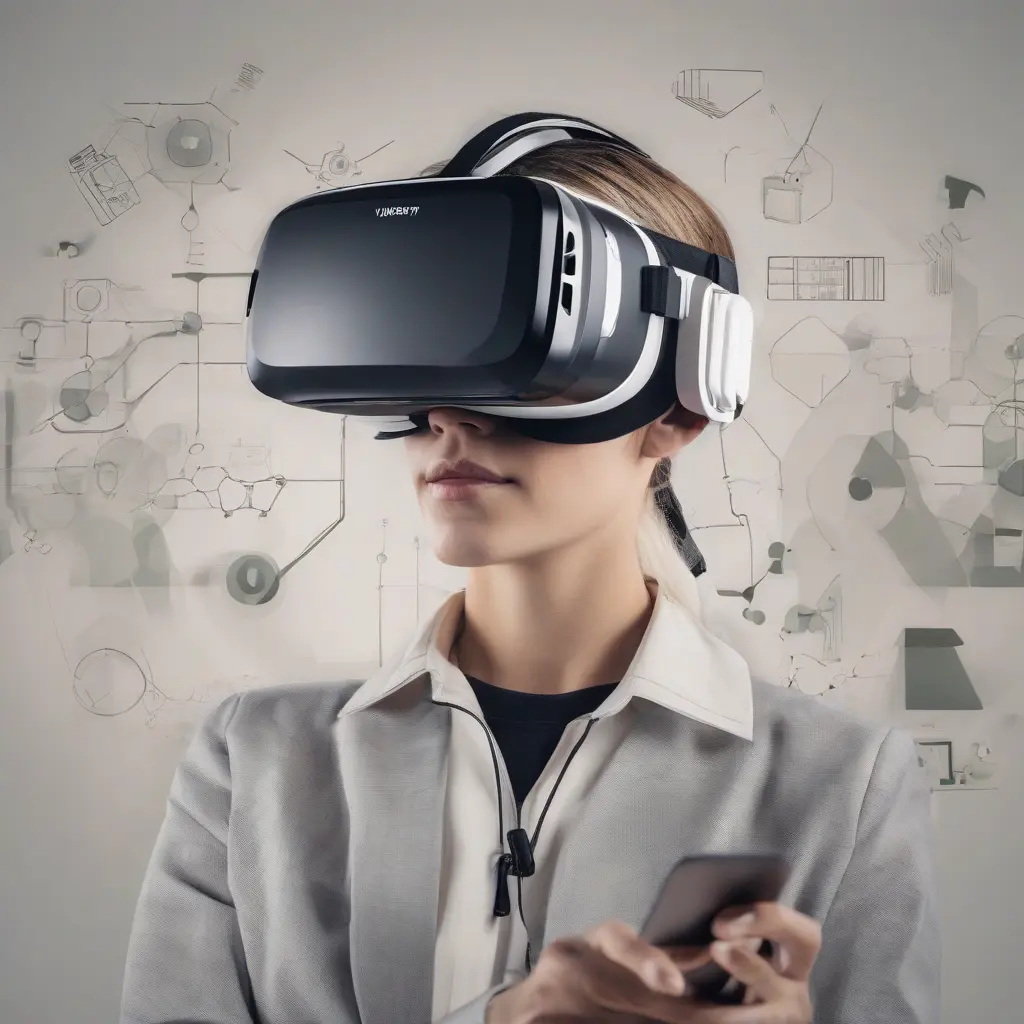
The integration of virtual reality (VR) in career training tools is reshaping the way individuals prepare for their professions. VR technology provides immersive simulations that allow trainees to engage in realistic scenarios, enhancing their skills and knowledge. This advancement not only caters to various industries but also addresses the need for effective training solutions amidst evolving job demands. As organizations seek innovative methods to enhance employee skills, the reliance on VR technology is expected to increase significantly, paving the way for a more competent workforce.
Understanding Virtual Reality in Career Training
Virtual reality encompasses computer-generated environments that simulate real-world situations, allowing users to interact with these settings in a highly immersive manner. In career training, this technology facilitates hands-on learning experiences that transcend traditional classroom limitations. Trainees can practice skills without fear of real-world repercussions, significantly increasing confidence and competence. By integrating VR, organizations can ensure that their workforce is better prepared for actual job scenarios, making this technology a vital component of modern training strategies.
Benefits of Virtual Reality in Skill Development
One of the most significant advantages of virtual reality in career training is its ability to enhance skill development through realistic practice. VR allows learners to engage with complex tasks repetitively, promoting muscle memory and proficiency. This practice is particularly beneficial in high-stakes professions, such as healthcare and aviation, where errors can have severe consequences. By using VR, trainees can fine-tune their skills in a safe environment, enabling quicker mastery of essential techniques and fostering greater job readiness.
Cost Efficiency and Accessibility
Investing in virtual reality for career training shows potential for significant cost savings in the long run. Traditional training methods often involve high expenses related to materials, equipment, and travel for on-site instruction. By utilizing VR, organizations can minimize these costs while providing high-quality training experiences. Additionally, VR training can be accessed remotely, improving accessibility for trainees regardless of their geographical location. This flexibility not only expands the reach of training programs but also supports a diverse range of learners.
Industry Applications of VR Training Tools
Various industries are harnessing the power of virtual reality to create tailored training solutions. For instance, in construction, VR enables workers to navigate job sites and understand safety protocols without physical exposure. Similarly, in healthcare, medical students can practice surgeries and patient interactions in a risk-free environment. Airlines use VR for pilot training, providing simulations that replicate challenging flight scenarios. This versatility shows that VR can be adapted to different fields, addressing unique training needs effectively.
Engaging Learning Experiences with VR
The immersive nature of virtual reality promotes higher engagement levels among trainees compared to traditional learning methods. By offering interactive and visually stimulating training environments, VR can captivate users’ attention, making learning enjoyable and memorable. Gamification elements integrated into VR scenarios can also motivate learners, encouraging them to take ownership of their training. This enhanced engagement results in better retention of information and skills, thereby contributing to a more competent workforce.
Overcoming Challenges in Implementation
While the benefits of virtual reality in career training are evident, challenges exist in its implementation. Organizations may face issues related to the high initial investment required for VR technology and content development. Additionally, there may be a learning curve for both trainers and trainees to adapt to this new technology. However, strategic planning, pilot programs, and partnerships with VR developers can help organizations navigate these challenges effectively, ensuring a smooth transition into adopting VR training tools.
The Future of Virtual Reality in Career Training
As advancements in technology continue to evolve, the future of virtual reality in career training looks promising. Innovations such as AI integration and adaptive learning systems could enhance the customization of VR experiences, tailoring training to individual learner needs. Increasing acceptance of remote work further emphasizes the importance of VR as a practical training solution. Organizations that invest in these technologies are likely to see improved training outcomes and a more skilled workforce, solidifying VR’s role as an essential tool in career development.
Conclusion
In conclusion, the rising impact of virtual reality in career training tools demonstrates its potential to revolutionize how skills are developed across diverse industries. By creating immersive and engaging learning environments, VR not only enhances training efficacy but also prepares the workforce for real-world challenges. As organizations continue to recognize the importance of innovative training solutions, the integration of VR will undoubtedly play a crucial role in shaping the future of professional development.