
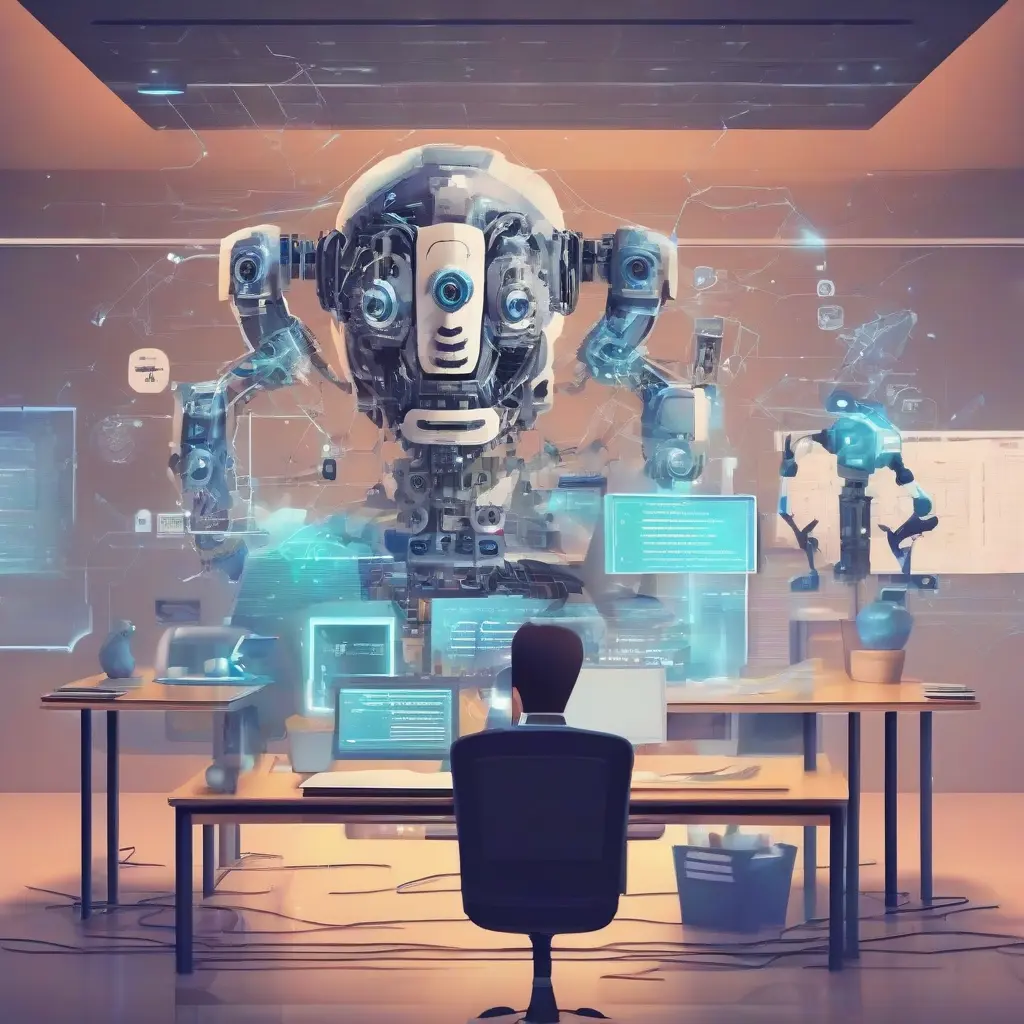
Artificial Intelligence (AI) is revolutionizing the job market by reshaping the skills required for employment. As industries adapt to new technologies, the demand for specific skill sets has evolved significantly. In the coming years, AI is expected to play a pivotal role in determining the nature of future jobs, affecting both existing roles and emerging positions. This article explores the various ways AI is influencing job skills, the implications for workforce development, and the need for adaptive learning to thrive in an AI-driven economy.
Understanding AI’s Influence on Job Skills
AI’s integration into workplaces is altering the fundamental skills needed across diverse industries. Automation and machine learning are streamlining routine tasks, pushing the workforce to focus on more complex problem-solving and analytical skills. As a result, jobs that were once purely manual or repetitive are evolving into roles that require a blend of technical expertise and creative thinking. This shift emphasizes the need for continuous learning and re-skilling to keep pace with technological advancements.
Emerging Job Roles in the AI Landscape
The rise of AI is not only changing existing roles but also creating new job opportunities. Positions such as AI trainers, data analysts, and machine learning engineers have gained prominence as businesses seek individuals adept in AI technologies. These roles require a combination of programming skills and an understanding of data science, highlighting the necessity for education systems to adapt their curricula accordingly. This trend opens avenues for those willing to embrace change and develop competencies in these burgeoning fields.
The Importance of Soft Skills
As technical skills become increasingly automated, the importance of soft skills rises correspondingly. Emotional intelligence, communication, and teamwork are essential for navigating a collaborative workplace, especially as AI takes over routine tasks. Organizations are starting to prioritize these human-centric skills in their hiring criteria. Candidates who possess strong interpersonal skills will likely find themselves in high demand as they complement the efficiency brought by AI, underscoring the need for a balanced skills set.
Upskilling and Reskilling Initiatives
To thrive in an AI-centric job market, workers must engage in upskilling and reskilling initiatives. Companies and educational institutions are developing training programs to help employees adapt to new technologies and methodologies. Reskilling efforts ensure that the current workforce remains relevant while upskilling facilitates the acquisition of advanced knowledge. These initiatives are crucial for fostering a culture of lifelong learning, enabling individuals to adapt to the rapid pace of change in the labor market.
AI and Remote Work Opportunities
The advent of AI has also influenced the rise of remote work, thereby changing the landscape of job skills required. With many companies relying on AI for collaboration and productivity tools, employees need to be proficient in using these technologies remotely. Skills such as digital literacy and self-management are increasingly important for remote positions, allowing organizations to tap into a global talent pool. This shift fosters diversity and inclusion but also requires workers to develop independent work habits.
Collaboration Between Humans and AI
As AI tools continue to evolve, the dynamic between human workers and AI systems is becoming increasingly collaborative. Many industries are leveraging AI to complement human decision-making rather than replace it. Skills that facilitate effective collaboration with AI systems, such as analytical thinking and adaptability, are set to become essential. Workers who can leverage AI insights to enhance their productivity and decision-making will likely stand out in the future job market.
Educational Reforms for Future Workforce
Transforming the education system is vital to prepare the future workforce for AI-influenced jobs. Curricula need to incorporate technology-focused subjects while also emphasizing critical thinking and creativity. Educational reforms should promote interdisciplinary learning, equipping students with a broad range of skills necessary for an unpredictable job market. By marrying technical knowledge with soft skills, educational institutions can effectively prepare students for success in an AI-driven economy.
The Role of Industry Partnerships
Industry partnerships play a crucial role in bridging the gap between education and workforce readiness. Collaborations between educational institutions and industries can lead to the development of tailored programs that align with current market needs. Such partnerships can ensure a smoother transition for graduates into the workforce, as they acquire practical experience alongside theoretical knowledge. By fostering these relationships, both educators and employers can contribute to a well-prepared workforce equipped with the necessary skills.
The Impact of AI in Various Sectors
Different sectors are experiencing the impact of AI on job skills in unique ways. For instance, in healthcare, AI is driving the need for skills in data analysis and patient care technology. In manufacturing, knowledge of robotics and automation is becoming crucial. Each industry must adapt to the technological advancements specific to their field, requiring workers to acquire specialized skills to remain competitive. This diversification emphasizes the necessity of tailored training programs focused on industry-specific needs.
Conclusion
In summary, the role of AI in shaping future job skills is profound, affecting existing and new roles across industries. As automated systems become mainstream, the focus on continuous learning, soft skills, and industry-specific knowledge is essential for workforce adaptation. By embracing the changes brought about by AI, both individuals and organizations can thrive in an evolving job landscape that promises innovation and opportunity.