
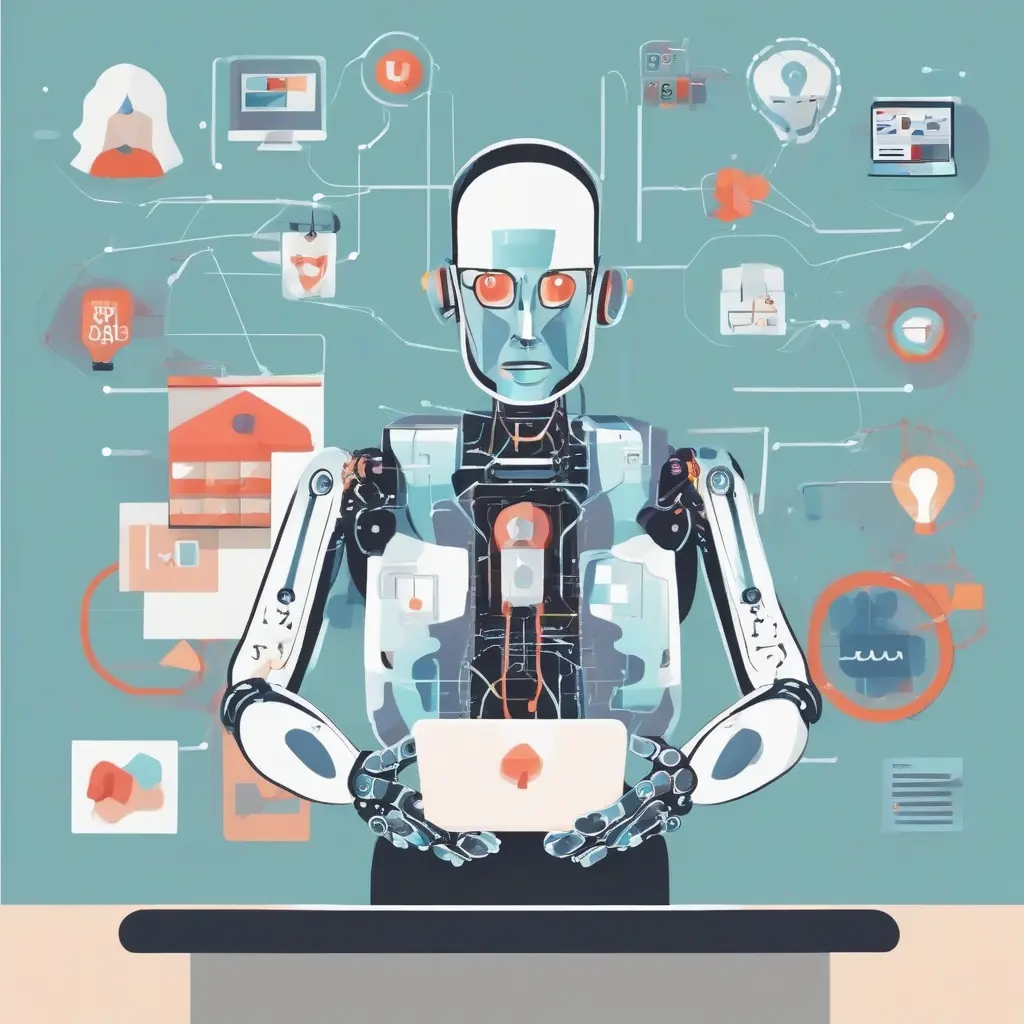
Artificial Intelligence (AI) is revolutionizing the landscape of career development tools, providing innovative solutions that enhance job searching, skill assessment, and personalized learning. As the job market evolves, traditional methods are being supplemented with technology-driven tools that leverage data and machine learning. This article will delve into the various ways AI is redefining career pathways, empowering both job seekers and employers to make more informed decisions. By understanding the impact of AI on career development, individuals can better navigate their professional journeys and align their skills with market demands.
AI-Powered Job Matching Platforms
AI-powered job matching platforms are changing how candidates find employment by analyzing resumes and job descriptions using natural language processing. These systems evaluate skills, experiences, and suitability for specific roles, streamlining the hiring process for both applicants and recruiters. By improving job-candidate matches, AI tools minimize time and resources spent by employers while maximizing job seekers’ chances of finding suitable positions. This technology not only enhances efficiency but also fosters a more tailored job search experience, aligning candidates with opportunities that fit their profiles.
Personalized Learning and Skill Development
AI enhances personalized learning by identifying individual strengths and weaknesses in skill sets. Through sophisticated algorithms, AI-driven platforms can recommend tailored courses or training programs based on a user’s career goals and current capabilities. This tailored approach ensures that learners engage with content that is most beneficial for their specific needs, making the upskilling process more efficient and effective. By focusing on personalized development, individuals can enhance their competencies in alignment with industry trends, improving their overall employability in a competitive job market.
Enhanced Resume Optimization Tools
AI-driven resume optimization tools are helping candidates improve their chances of getting noticed by employers. By analyzing job descriptions and successful resumes, these tools recommend changes to structure, language, and keywords that increase visibility in Applicant Tracking Systems (ATS). This optimization process not only provides a competitive edge in applications but also empowers job seekers to articulate their skills and experiences more effectively. As candidates leverage these tools, they become better equipped to stand out in crowded job markets.
Career Pathway Prediction Models
AI-based career pathway prediction models utilize large datasets to forecast potential career trajectories for individuals based on their skills, experiences, and market demand. By analyzing patterns from various industries, these models can suggest feasible career options and necessary steps for further advancement. This predictive aspect aids individuals in making informed career choices, setting realistic goals, and aligning their efforts with future opportunities. Such foresight is invaluable in a rapidly changing job landscape, enabling people to strategically navigate their career development.
AI in Mentorship and Networking
AI can significantly enhance mentorship and networking opportunities by connecting individuals with relevant professionals and resources. Platforms leveraging AI can assess users’ backgrounds and goals, facilitating intelligent recommendations for mentors who can provide valuable insights and guidance. Furthermore, these tools identify networking opportunities that align with users’ career aspirations, helping them expand their professional circles effectively. By fostering these connections, AI plays a pivotal role in personal and professional growth, allowing individuals to tap into a wealth of knowledge and experience.
Ethical Implications of AI in Career Development
As with any technology, the integration of AI into career development tools raises ethical considerations, particularly regarding bias and data privacy. Algorithms are only as unbiased as the data they are trained on, which means that if historical data includes biases, AI-driven outcomes may also reflect those prejudices. Moreover, there are concerns surrounding how personal data is used and safeguarded within these systems. Addressing these ethical implications is crucial for building trust in AI applications, ensuring that they serve to enhance fairness and transparency in the career development process.
Future Trends in AI and Career Development
Looking ahead, the role of AI in career development is poised to grow, with emerging trends focusing on more robust analytics and integration of real-time labor market data. Continuous advancements in machine learning will enable even greater personalization and predictive capabilities across tools and platforms. As AI continues to evolve, we may see the emergence of more sophisticated decision-making aids for both job seekers and employers. These trends highlight the importance of remaining adaptable and informed, as AI reshapes the future of professional landscapes.
Conclusion
In conclusion, AI is changing the dynamics of career development tools by offering personalized, data-driven solutions that enhance job matching, skill acquisition, and networking. By leveraging AI’s capabilities, individuals can make informed career decisions and improve their employability in an increasingly competitive environment. As technology continues to evolve, embracing these innovations will be vital for career advancement and success in the modern job market.