
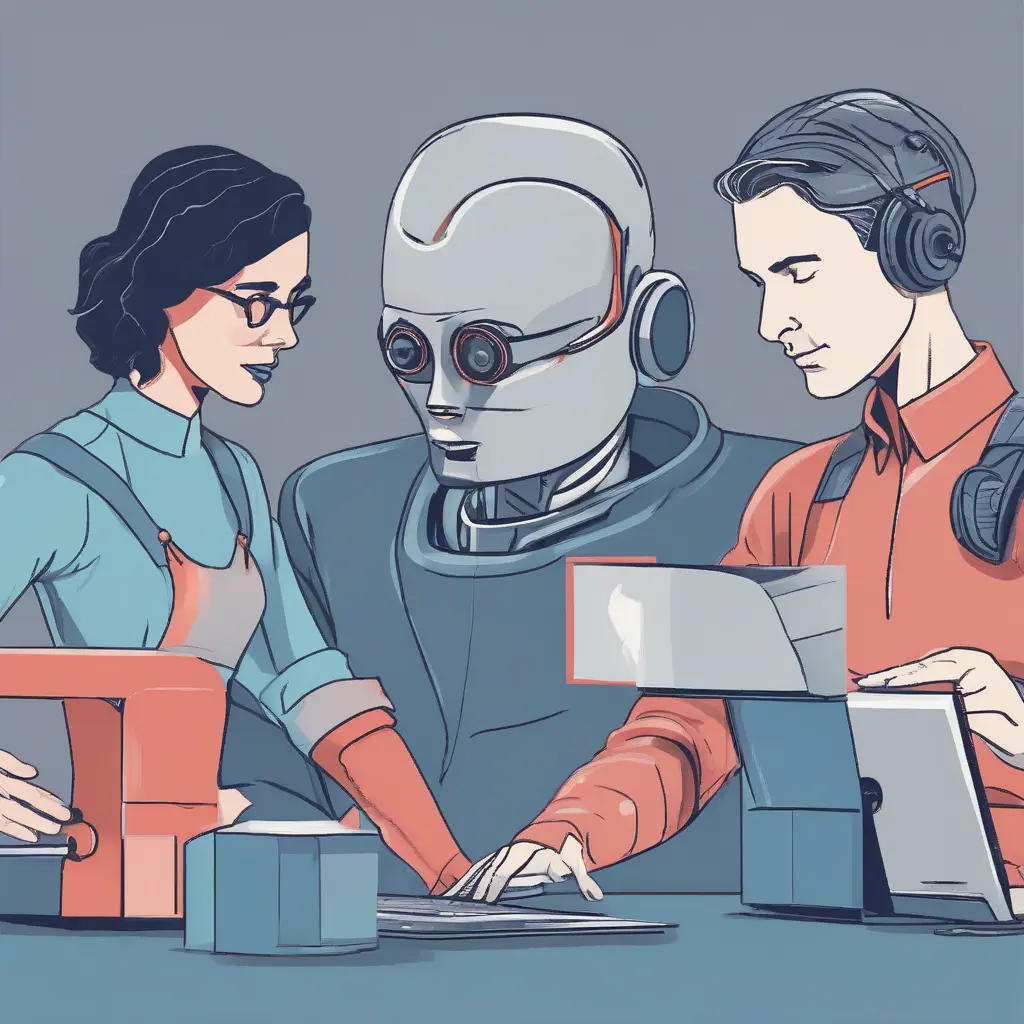
In an era where Artificial Intelligence (AI) is increasingly transforming industries, the focus often lies on technical skills and algorithms. However, the importance of soft skills in AI careers cannot be understated. As teams become more diverse and projects require collaboration across various domains, soft skills like communication, teamwork, and emotional intelligence become essential for success. These skills complement technical knowledge and are crucial for navigating the complex social dynamics within organizations, fostering innovation, and leading effective teamwork in AI-related projects.
Understanding Soft Skills in the Context of AI Careers
Soft skills encompass a range of interpersonal attributes that enhance an individual’s ability to interact harmoniously with others. In AI careers, these skills include communication, teamwork, problem-solving, and adaptability. Unlike hard skills, which focus on technical capabilities in programming or data analysis, soft skills facilitate collaboration among team members from various backgrounds and expertise. As AI systems increasingly integrate into business processes, the ability to effectively communicate insights and negotiate ideas becomes paramount for enhancing project outcomes.
Why Communication Skills Matter
Effective communication is foundational in AI roles, especially when bridging the gap between technical teams and stakeholders. Professionals must convey complex ideas in a manner that is understandable to non-technical audiences. This skill is critical during project presentations, discussions, and reports. Moreover, strong communication skills help in receiving and providing feedback, fostering a collaborative environment that encourages innovation. By articulating thoughts clearly, AI practitioners can contribute to more informed decision-making processes within organizations.
Teamwork and Collaboration in AI Projects
AI projects often encompass cross-disciplinary teams, making teamwork essential for success. Collaborating efficiently requires understanding different perspectives, respecting individual contributions, and resolving conflicts amicably. Soft skills enable AI professionals to adapt their communication styles and strategies to suit the diverse team dynamics encountered in projects. A collaborative mindset not only enhances project efficiency but also cultivates a culture of creativity where innovative ideas can flourish. This collaborative spirit is particularly important in fast-paced environments where adaptability is key to meeting evolving project demands.
Understanding Emotional Intelligence
Emotional intelligence (EI) is the ability to recognize, understand, and manage our emotions and those of others. In AI careers, high EI is crucial for navigating team dynamics and enhancing workplace relationships. Understanding emotional cues can lead to better collaboration, as professionals can tailor their approach to various personalities, thereby fostering a more inclusive environment. Additionally, emotional intelligence helps individuals manage stress and maintain a positive outlook, both individually and within teams, particularly during challenging project phases or tight deadlines.
Problem-Solving and Critical Thinking
Strong problem-solving and critical thinking abilities are considered vital soft skills in the AI sector. While technical skills enable professionals to build effective AI models, soft skills help them approach complex challenges creatively and systematically. Professionals equipped with these skills can analyze situations from multiple perspectives, generate alternative solutions, and choose the most viable options. In a constantly evolving field like AI, the ability to think critically about ethical implications and potential biases in systems is increasingly important.
Adaptability in a Changing Landscape
AI is a rapidly evolving field, often presenting new technologies, methodologies, and challenges. Adaptability becomes a crucial soft skill as professionals must stay open to learning and adjusting their methods. This willingness to embrace change enables individuals to pivot and develop new strategies as trends evolve. Employers value adaptable employees who can learn on the fly and contribute positively when faced with shifts in project scopes or technologies. Embracing adaptability enhances a professional’s long-term career prospects in AI.
The Role of Leadership Soft Skills
As AI projects scale and become more complex, leadership skills become increasingly important. Effective leaders must inspire team members, aligning them with the project vision and objectives. Leadership is not limited to formal managerial roles; it extends to guiding initiatives, fostering collaboration, and motivating team members through challenges. Strong leadership involves active listening, conflict resolution, and providing constructive feedback, all of which are vital for maintaining team morale and driving project success in AI environments.
Integrating Soft Skills into AI Education
As the importance of soft skills becomes clearer, educational institutions are beginning to integrate them into AI curricula. Programs focusing on both technical training and soft skills development prepare graduates for real-world challenges. Workshops, group projects, and mentorship opportunities play a key role in honing these skills. Such integration helps students understand the interpersonal dynamics they will face in the workplace and provides them with tools to navigate these challenges effectively, enhancing their employability in a competitive job market.
The Future of AI Careers and Soft Skills
Looking ahead, the synergy between soft skills and technical expertise will only grow more critical in AI careers. As machines and algorithms take over repetitive tasks, human workers will increasingly focus on higher-level functions requiring creativity, empathy, and collaboration. Employers are likely to prioritize candidates who excel in soft skills, acknowledging that these attributes can significantly enhance team productivity and project outcomes. This trend will shape the hiring practices and training programs within the AI landscape, emphasizing a balanced skill set.
Conclusion
In conclusion, the importance of soft skills in AI careers is undeniable. As automation and technological advancements continue to reshape industries, professionals with a blend of technical and soft skills will be better equipped to navigate these changes effectively. Communication, teamwork, emotional intelligence, and adaptability are just a few examples of how interpersonal skills play a critical role in achieving success. Embracing these skills can lead to more robust team dynamics, innovative problem-solving, and ultimately a more fulfilling career in the AI field.