
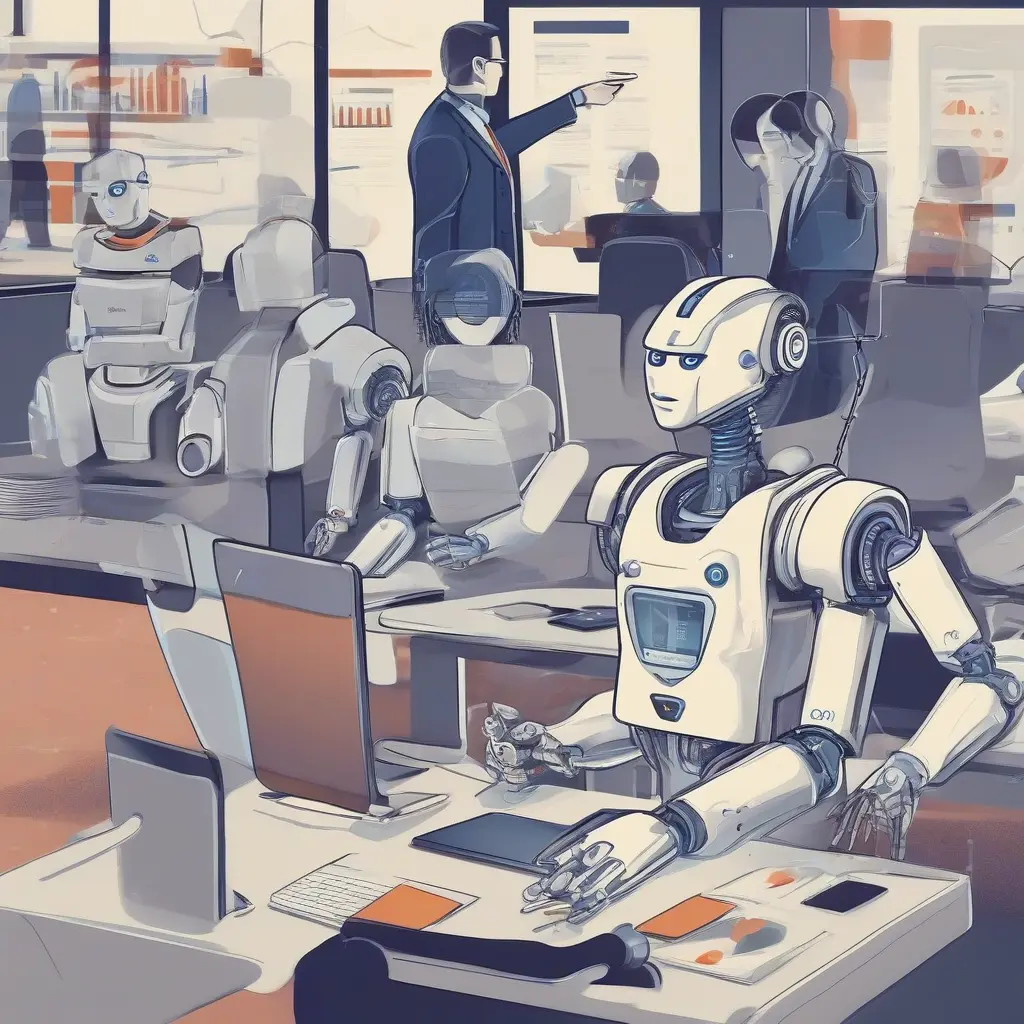
The integration of artificial intelligence (AI) into various industries is significantly transforming job markets around the globe. As businesses leverage AI technologies to optimize processes, improve efficiency, and enhance decision-making, the nature of work is evolving. From automation replacing routine tasks to new job categories emerging, understanding these transformations is crucial for professionals and employers alike. In this article, we delve into the current trends driven by AI, the implications for the workforce, and how individuals and organizations can adapt to these changes.
Rise of Automation in Routine Jobs
Automation powered by AI is increasingly taking over routine and repetitive tasks, leading to a substantial shift in job roles. Industries such as manufacturing, retail, and customer service are witnessing the implementation of AI systems that can perform tasks faster and more accurately than humans. This rise in automation can result in job displacement for positions focused on repetitive functions. However, it also paves the way for employees to transition into more complex roles that require higher cognitive skills, emphasizing the need for continuous learning and upskilling.
Emergence of New Job Categories
As AI technologies evolve, new job opportunities are emerging that were previously non-existent. Roles such as AI ethicists, data scientists, and machine learning engineers are increasingly in demand as businesses seek to implement AI responsibly and effectively. Additionally, jobs in AI maintenance and monitoring are gaining significance, requiring employees to work alongside AI systems to ensure they function accurately. This trend underscores the importance of adaptability in the workforce, as professionals need to be prepared for careers in fields that utilize AI technology.
Skills Demand: A Shift in Education and Training
The ongoing transformation of job markets by AI is leading to a shift in the skills that employers highly value. Critical thinking, creativity, and emotional intelligence are becoming increasingly important as these skills complement the technical capabilities of AI systems. Furthermore, educational institutions are adapting their curricula to focus more on STEM (science, technology, engineering, and mathematics) subjects, ensuring that future generations are equipped to thrive in an AI-driven environment. Lifelong learning and professional development are essential for job seekers to maintain relevance in this evolving landscape.
The Gig Economy and AI Integration
The gig economy is also being reshaped by AI, which plays a crucial role in connecting freelancers with clients through platforms that match skills and services. Algorithms analyze user data to provide personalized work opportunities that align with a freelancer’s capabilities. This integration of AI not only enhances the efficiency of gig platforms but also facilitates a diverse range of job opportunities. As more individuals choose flexible work arrangements, understanding how AI streamlines these processes becomes vital for both gig workers and businesses looking to tap into this labor market.
AI-Powered Recruitment Processes
AI is revolutionizing recruitment processes, making them more efficient and data-driven. Recruitment tools powered by AI analyze vast amounts of data to identify suitable candidates, saving time and reducing bias during the hiring process. These tools help employers quickly filter through resumes, match qualifications, and assess potential fit, thereby transforming traditional recruitment strategies. While this may heighten competition among applicants, it also highlights the importance of crafting tailored resumes and preparing for digital interviews, which AI may utilize to evaluate soft skills.
Challenges and Ethical Considerations
While the advancements in AI present many opportunities, they also bring significant challenges and ethical considerations. Issues related to job displacement, privacy concerns, and algorithmic bias require careful attention from policymakers and industry leaders. As AI continues to integrate into various sectors, it is crucial to establish frameworks that govern its use responsibly. Encouraging dialogue about the ethical implications of AI in the workplace can help mitigate potential drawbacks while maximizing the benefits associated with this technological revolution.
Impact on Labor Relations
The rise of AI is also influencing labor relations, raising questions about job security and workforce representation. As automation takes over specific tasks, workers may seek greater collective bargaining power to address their concerns about job displacement. Unions and labor organizations face the challenge of adapting their strategies to advocate for workers in an era where technology plays a critical role in employment landscapes. Understanding the impact of AI on labor relations can prepare stakeholders to foster equitable working conditions in an evolving job market.
Collaboration Between Humans and AI
The future of work is likely to involve increased collaboration between humans and AI systems, leading to enhanced productivity and creativity. Rather than viewing AI as a threat, many organizations are exploring synergies where AI supports human workers in decision-making processes. For instance, AI tools can analyze data trends to provide insights, allowing employees to focus on strategic initiatives. Embracing this collaborative approach empowers workers to harness the strengths of both humans and machines, fostering a productive and innovative work environment.
Conclusion
In conclusion, the transformation of job markets due to AI is multifaceted, presenting both challenges and opportunities. While routine jobs may decline, new roles are emerging that require innovative thinking and specialized skills. As businesses and individuals navigate this evolving landscape, adaptability, ongoing education, and ethical considerations will be paramount in shaping a workforce capable of thriving in an AI-driven world.