
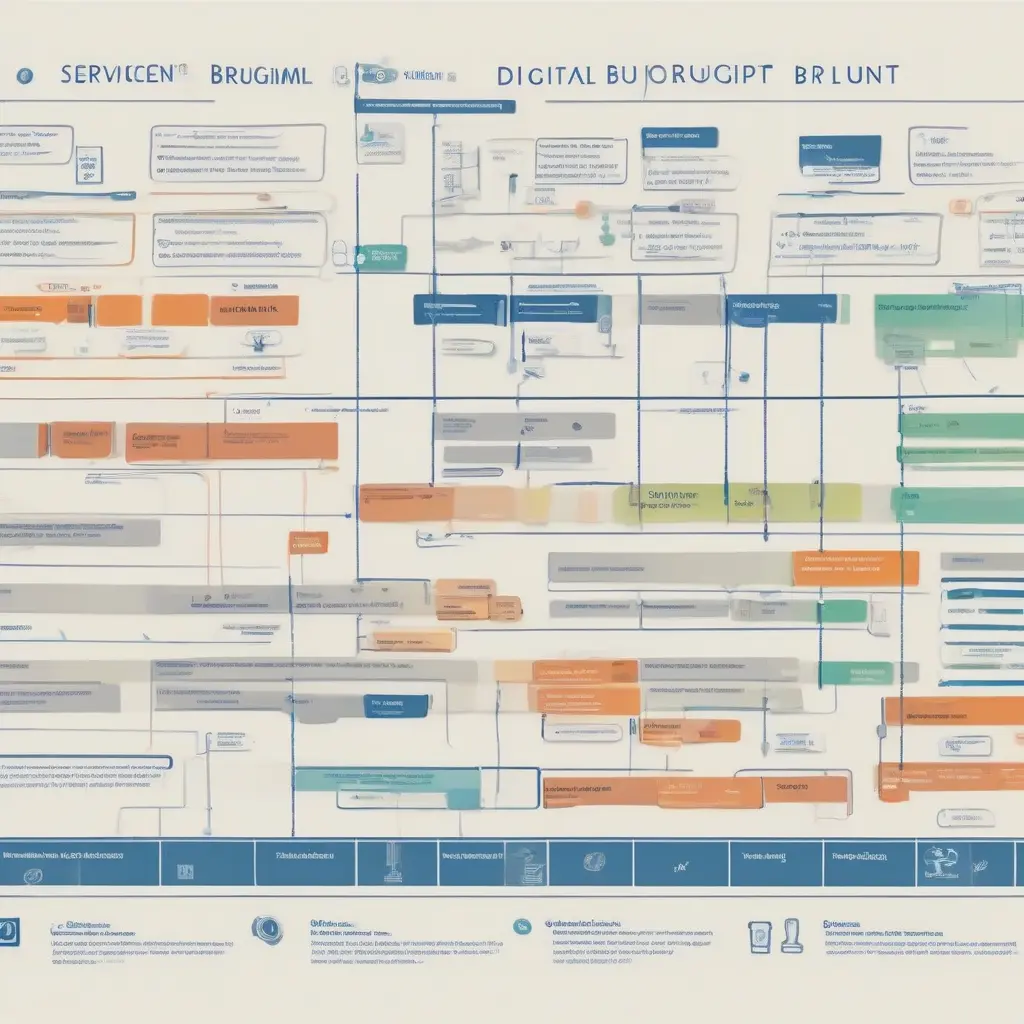
Creating an effective digital service blueprint is crucial for modern businesses aiming to optimize service delivery and enhance customer satisfaction. A well-structured blueprint helps in visualizing the steps involved in digital services, ensuring that all stakeholders understand the processes. By outlining interactions, workflows, and touchpoints, you can identify opportunities for improvement and efficiency. This article will guide you through the essential components of a digital service blueprint, its benefits, and the steps to design it effectively. Whether you are a startup or an established business, this blueprint can serve as a pivotal tool for growth.
What is a Digital Service Blueprint?
A digital service blueprint is a strategic document that visually maps out the components of a service, detailing both front-stage and back-stage processes. This blueprint elucidates how different parts of a service interact and cooperate to deliver an overall experience to customers. It includes elements such as customer actions, support processes, and technology infrastructure. By clarifying roles and responsibilities, this document fosters better communication among teams and helps in aligning objectives towards enhancing service delivery.
Importance of Digital Service Blueprints
Digital service blueprints are essential for organizations looking to improve customer experience and operational efficiency. They provide a comprehensive overview of service components, helping identify gaps and redundancies. This insights-driven approach allows businesses to streamline processes, ensuring that resources are effectively allocated. Moreover, a digital service blueprint supports teams in understanding customer journeys, making it easier to adapt services based on evolving user needs. Ultimately, these blueprints can lead to increased customer satisfaction and loyalty.
Key Components of a Digital Service Blueprint
A robust digital service blueprint consists of various key components that together create a complete picture of service delivery. These include customer actions, which outline what users do when interacting with the service. Support processes identify the internal actions necessary to facilitate customer actions. And finally, technology components detail the tools and platforms employed to support the service. By ensuring that all these components are accurately represented, organizations can benefit from a clearer understanding of service interactions.
Identifying Customer Touchpoints
Identifying customer touchpoints is vital for creating an effective digital service blueprint. Touchpoints represent any moment where customers interact with your service, whether through digital interfaces or customer support. By mapping these interactions, businesses can assess their effectiveness and identify areas for enhancement. Understanding each touchpoint helps in recognizing pain points in the customer journey, allowing companies to innovate and provide a seamless experience that meets customer expectations.
Defining Roles and Responsibilities
Defining roles and responsibilities is a fundamental aspect of a digital service blueprint, ensuring that everyone involved in service delivery knows their specific tasks. Each team member’s role should align with the customer journey, clearly delineating who is accountable for each phase of the service. This clarity not only improves team collaboration but also enhances accountability, fostering a culture of responsiveness and continuous improvement. Effective role definition leads to a streamlined service experience for customers.
Mapping the Customer Journey
Mapping the customer journey is an integral part of crafting a digital service blueprint. This process involves outlining each step a customer takes when interacting with your service, from initial awareness to post-purchase follow-up. By visualizing the complete journey, businesses can uncover insights into customer motivations and behaviors. This understanding is critical for tailoring services to meet customer needs effectively and initiating strategies to enhance satisfaction at each touchpoint.
Integrating Technology into the Blueprint
Integrating technology into your digital service blueprint is essential for optimizing service delivery. This involves detailing the platforms and software used at various stages of the service process. By understanding how technology facilitates customer interactions and back-end support, businesses can identify potential efficiencies and enhance service quality. This integration ensures that the digital ecosystem supports the desired customer experience and allows for future upgrades as technology continues to evolve.
Reviewing and Iterating on the Blueprint
Regularly reviewing and iterating on your digital service blueprint is crucial for its continued relevance and effectiveness. The digital landscape evolves rapidly; thus, it’s essential to assess and refine your blueprint regularly. Gathering feedback from both customers and employees can provide insight into what works and what does not. Making iterative improvements ensures that your blueprint evolves with changing market conditions and consumer expectations, allowing your business to stay competitive.
Best Practices for Creating a Digital Service Blueprint
To create an effective digital service blueprint, it is important to follow best practices that ensure clarity and practicality. Begin with thorough research, gathering data on customer behaviors and service processes. Involve cross-functional teams in the development phase, ensuring that all perspectives are considered. Make use of visual aids to enhance understanding and engage stakeholders effectively. Finally, keep the blueprint accessible and update it regularly to reflect any changes in your digital services, ensuring its continued efficacy.
Common Pitfalls to Avoid
When developing a digital service blueprint, it’s crucial to avoid common pitfalls that can hinder its effectiveness. One common mistake is creating overly complex diagrams that confuse rather than clarify. Ensuring that your blueprint is straightforward and intuitive is essential for effective communication. Additionally, neglecting to include input from different departments can result in misalignment that impacts customer experience. Finally, failing to regularly update the blueprint can lead to it becoming obsolete and less useful over time.
Conclusion
In conclusion, an effective digital service blueprint is an invaluable tool for businesses looking to streamline operations and enhance customer experiences. By detailing interactions, roles, and technology, organizations can create a clear path for service delivery. Regular iterations, involving cross-functional teams, and adhering to best practices are critical for maintaining a relevant and efficient blueprint. As businesses adapt to evolving customer expectations and technological advancements, a well-structured blueprint will serve as a cornerstone for sustained success.